Namkaran Sanskar: The Sacred Naming Ceremony in Hindu Tradition
Welcoming a newborn into the family is one of life’s most cherished moments. Among the many rituals celebrating this new beginning, Namkaran Sanskar — the sacred naming ceremony — holds a special place in Hindu culture. More than just choosing a name, this ritual is believed to shape the child’s identity, personality, and destiny.
Performed with blessings, prayers, and family gatherings, Namkaran Sanskar marks the infant’s first introduction to society and the divine.
What Is Namkaran Sanskar?
Namkaran Sanskar is the formal Vedic ceremony of naming a newborn child. Traditionally performed on the 11th or 12th day after birth, the ritual symbolizes purity, protection, and the beginning of the child’s spiritual journey.
The name chosen is believed to influence the child’s life path, virtues, and karmic energies. According to ancient scriptures, a meaningful name strengthens the child’s connection with their culture, ancestors, and divine blessings.
Significance of Namkaran Sanskar
The ceremony goes far beyond the act of naming. It is rooted in deep spiritual beliefs:
1. Blessings for a Bright Future
Through mantras and prayers, the priest invokes divine protection and good fortune for the child.
2. Establishes the Child’s Identity
A name gives the child a unique identity and a place within the family and society.
3. Symbol of Purification
The rituals performed during Namkaran cleanse the environment and welcome positivity around the newborn.
4. Alignment with Cosmic Energy
Often, names are chosen based on the child’s rashi (zodiac sign) or nakshatra, ensuring harmony with their astrological chart.
How Namkaran Sanskar Is Performed
Though customs vary across regions, the core rituals remain similar:
1. Selection of Auspicious Muhurat
The priest determines a favorable date and time for the ceremony.
2. Sankalpam & Ganesha Pooja
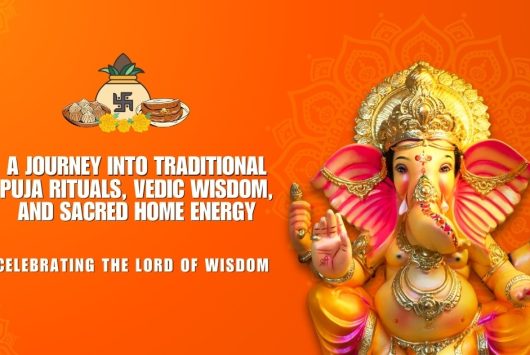
The pooja begins with invoking Lord Ganesha to remove obstacles and bless the event.
3. Kalash Sthapana & Chanting of Vedic Mantras
Holy water, flowers, and sacred items are placed to purify the surroundings.
4. Naming the Child
The priest whispers the chosen name into the baby’s right ear. Family members then announce it aloud and bless the newborn.
5. Family Blessings & Celebration
Relatives shower the child with blessings, gifts, and good wishes, followed by a family gathering or celebration.
Choosing the Perfect Name
Parents often choose names based on:
-
Rashi/Nakshatra
-
Deity names (e.g., Shiva, Krishna, Lakshmi)
-
Cultural or ancestral significance
-
Virtue-based names symbolizing qualities like compassion, courage, wisdom
A meaningful name is considered a gift that accompanies the child throughout life.
Why Namkaran Sanskar Matters Today
In modern times, Namkaran Sanskar remains a beautifully spiritual way to welcome a new life. It brings families together, reinforces cultural roots, and gives the child a blessed start filled with love, warmth, and divine grace.
Whether performed traditionally at home or in a ceremonial space, this ritual provides a sense of continuity between generations and enriches the child’s journey with auspicious beginnings.
Book Your Namkaran Sanskar Ceremony
If you’re planning a Namkaran Sanskar, we offer authentic Vedic rituals, experienced priests, complete pooja samagri, and hassle-free arrangements.
Contact us at https://panditjee.online/ to book your ceremony today.