
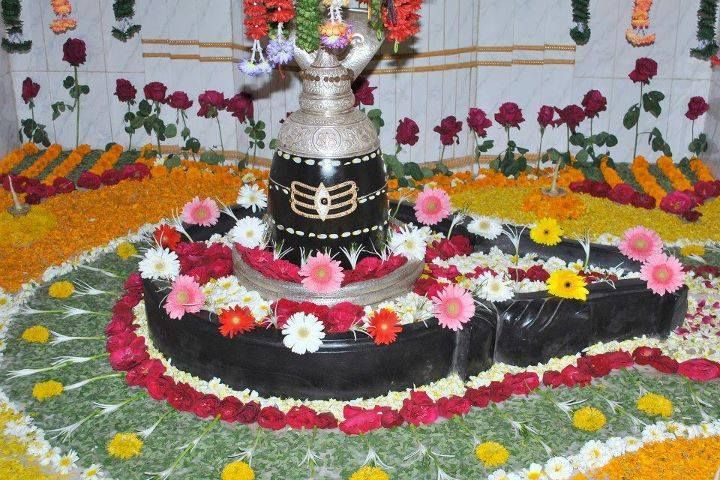
Everything You Need to Know About Rudrabhishek Pooja: Significance, Rituals, and Benefits
Rudrabhishek Pooja is one of the most powerful and revered rituals in Hinduism, performed primarily to invoke the blessings of Lord Shiva. This sacred ceremony involves the worship of Lord Shiva through the chanting of the Rudram and the offering of various auspicious materials to the deity. It is believed to bring divine blessings, peace, and prosperity into the lives of the devotees.
In this blog, we will explore the significance, rituals, benefits, and the step-by-step procedure of Rudrabhishek Pooja, making it easier for you to understand and undertake the pooja with devotion and dedication.
What is Rudrabhishek Pooja?
Rudrabhishek is a ceremonial pooja in which devotees invoke Lord Shiva by reciting the sacred Rudram—a hymn from the Yajurveda. The term Rudrabhishek is derived from two words: “Rudra,” another name for Lord Shiva, and “Abhishek,” which means anointing or ritualistic bathing. The pooja is performed to seek blessings for good health, wealth, prosperity, removal of obstacles, and liberation from life’s struggles.
The Significance of Rudrabhishek Pooja
- Spiritual Healing: The Rudrabhishek Pooja is believed to have healing powers. It is said to remove negative energies and illnesses, providing mental, physical, and emotional healing.
- Strengthens Faith and Devotion: By performing this pooja, a person strengthens their connection with Lord Shiva, inviting divine intervention and support in their life.
- Prosperity and Wealth: This pooja is said to bring financial prosperity and remove financial blockages. It is often performed by individuals seeking success in business or career.
- Family Welfare and Protection: Rudrabhishek Pooja is also believed to bring harmony in family life, protect loved ones, and remove any misfortune.
- Karma Removal: The chanting of the Rudram is thought to reduce the ill effects of past karma, bringing about a fresh start and spiritual liberation.
Materials Needed for Rudrabhishek Pooja
To perform the Rudrabhishek Pooja, the following materials are typically required:
- Water: Fresh water (Ganga jal or any pure water is preferred)
- Milk: Fresh milk, curd, honey, and ghee for offering to Lord Shiva
- Basil Leaves (Tulsi): A symbol of purity and devotion
- Bilva Leaves: These leaves are highly auspicious for Lord Shiva and are often used in the pooja.
- Flowers: Fresh flowers, especially white ones like jasmine, are used in the pooja.
- Sandalwood Paste: For applying on the idol of Lord Shiva
- Incense Sticks: For offering to Lord Shiva
- Rudraksha: A sacred seed that holds a special connection with Lord Shiva
- Shiva Lingam: A symbol of Lord Shiva for performing the abhishek
- Camphor: For performing the final aarti
Benefits of Rudrabhishek Pooja
- Mental Peace: Helps calm the mind, reduces stress, and provides mental clarity.
- Health and Well-being: The pooja is believed to promote physical and mental healing.
- Wealth and Success: Brings financial prosperity and removes any hurdles in business or career.
- Spiritual Growth: Strengthens your connection with Lord Shiva and elevates your spiritual practice.
- Protection from Evil: Protects the individual and family members from negative energies and evil influences.
How to Perform Rudrabhishek Pooja: Step-by-Step
- Preparation of the Space:
- Begin by cleaning the pooja area and creating a sacred environment. Place a clean cloth or a pooja mat.
- Set up the idol or image of Lord Shiva in front of you. Ideally, place a Shiva Lingam (a symbolic representation of Lord Shiva) on a pedestal.
- Preparation of Offerings:
- Prepare the necessary materials as mentioned above, and arrange them neatly on a plate.
- Invocation and Prayers:
- Begin by lighting a lamp (diya) and incense sticks to create a spiritually charged atmosphere.
- Chant Om Namah Shivaya several times to invoke the divine presence of Lord Shiva.
- Offer prayers to Lord Ganesha (the remover of obstacles), seeking permission to proceed with the pooja.
- Start the Rudrabhishek:
- Now, start the chanting of the Rudram (a sacred hymn dedicated to Lord Shiva). The Rudram is typically recited by a priest, but devotees can also chant along or listen to a recorded version.
- While chanting the Rudram, water, milk, honey, ghee, and other offerings are poured over the Shiva Lingam. This is called the Abhishek (ritualistic bathing).
- Each offering is made with full faith and devotion, while the priest or devotee chants the verses of Rudram.
- Offering Bilva Leaves and Flowers:
- After the Abhishek, offer Bilva leaves and flowers onto the Shiva Lingam while continuing the chant.
- This is the part of the pooja where you focus on surrendering your prayers and seeking divine blessings.
- Closing Rituals:
- After the Abhishek and prayers, perform an aarti using camphor and a bell. This is a form of reverence to conclude the ritual.
- Offer prasad (holy offerings) to the gathered devotees and receive their blessings.
- Concluding the Pooja:
- Finally, recite a few closing mantras and express gratitude for the divine blessings. You may also perform a simple prayer for peace (Shanti Path).