Krishna Janmashtami: The Divine Celebration of Lord Krishna’s Birth
Krishna Janmashtami, also known as Gokulashtami, is one of the most vibrant and spiritually uplifting festivals in India. Celebrated with immense devotion and joy, it marks the birth of Lord Krishna, the eighth incarnation of Lord Vishnu — the embodiment of love, wisdom, and divine playfulness.
🕊️ How Krishna Janmashtami is Celebrated
1. Fasting and Devotion
Devotees observe a day-long fast, breaking it only at midnight — the time when Lord Krishna was born. Temples echo with chants of “Hare Krishna, Hare Rama”, and homes are beautifully decorated with flowers, lights, and images of the divine child.
2. Midnight Celebrations (Nandotsav)
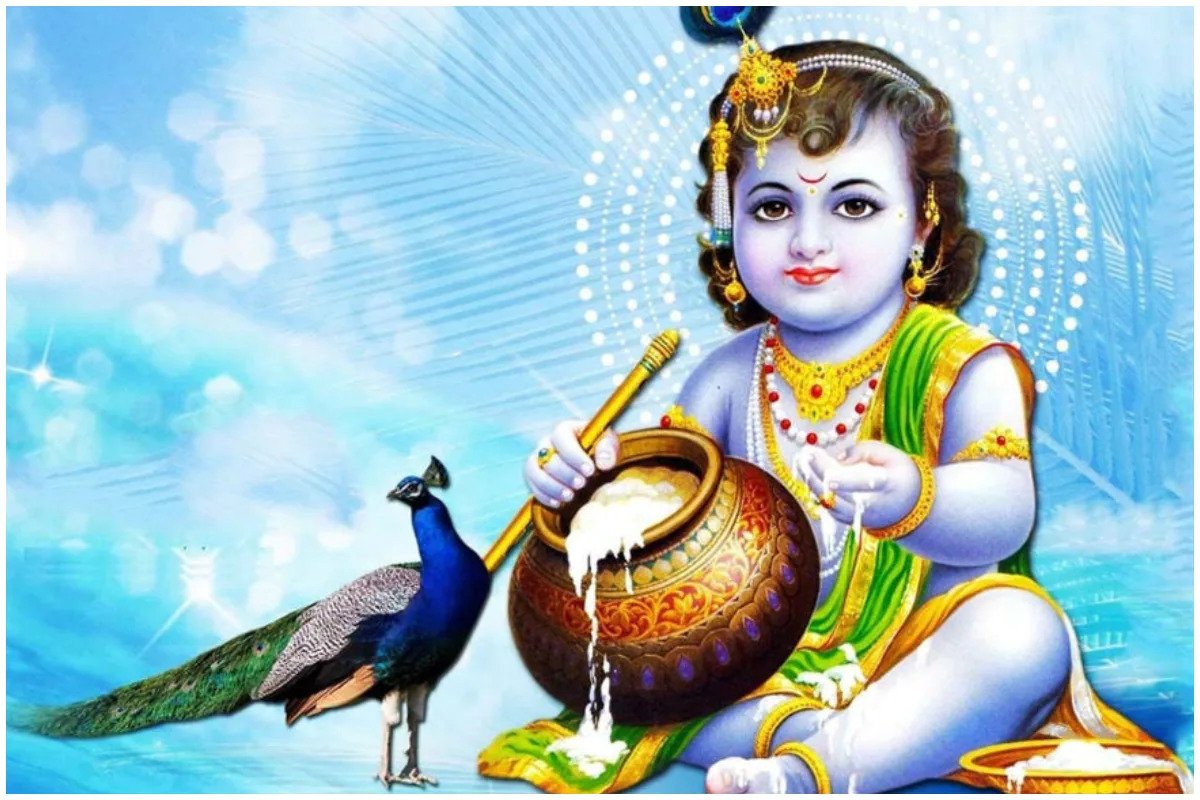
As the clock strikes twelve, the idol of baby Krishna (Bal Gopal) is bathed, adorned in new clothes, and placed in a cradle. The air fills with bhajans, aartis, and conch shells, symbolizing the arrival of divinity into the world.
3. Dahi Handi Festival
In many parts of India, especially Maharashtra, Krishna’s playful spirit is honored through Dahi Handi — a lively event where young men and women form human pyramids to break a pot of curd hung high above the ground, reenacting Krishna’s love for butter and mischief.
4. Ras Leela Performances
In Vrindavan and Mathura, traditional Ras Leela performances narrate Krishna’s childhood pranks and his divine love for Radha — blending music, dance, and devotion into a mesmerizing celebration.
🌸 The Significance of Krishna Janmashtami
Lord Krishna was born at midnight on the eighth day (Ashtami) of the dark fortnight of Bhadrapada month, at Mathura, to Devaki and Vasudeva. His birth symbolizes the victory of good over evil, light over darkness, and dharma (righteousness) over adharma (injustice).
Janmashtami reminds us that even in times of great struggle, divine grace always finds a way to restore balance and harmony in the world.