Start 2026 with Devotion: A Journey into Traditional Puja Rituals, Vedic Wisdom, and Sacred Home Energy
Starting 2026 with devotion isn’t just about following tradition—it’s about setting the emotional, spiritual, and energetic tone for the entire year. In a world that moves fast and feels increasingly chaotic, traditional puja rituals rooted in Vedic science offer something rare: balance, clarity, and inner alignment.
The ancient practices were never meant to be mechanical or symbolic alone; they were carefully designed to harmonize the human mind, body, and surrounding environment with cosmic rhythms. When performed with understanding and intention, puja becomes a powerful tool to reset your inner compass and invite positivity, prosperity, and peace into your home.
The Vedic Science Behind Puja Rituals
Puja is not symbolic alone—it is an energetic science.
- Mantras create sound vibrations that affect the nervous system and the surrounding space
- Fire and light from the diya convert subtle energies into positive frequencies
- Offerings represent gratitude, balance, and surrender
- Timing, especially early morning hours, aligns the body with circadian and cosmic cycles
When performed consistently, puja acts as a daily recalibration of the mind and home.
Preparing Your Home for Sacred Rituals
Before beginning any puja, the home itself must be prepared. Vedic traditions emphasise that space absorbs intention.
Physical Cleansing
- Clean floors, altar area, and entrances
- Remove clutter and unused items
- Wash pooja vessels and lamps
Energetic Preparation
- Open windows briefly to allow fresh air
- Light incense or dhoop to cleanse subtle energy
- Maintain silence or soft chanting before the ritual
A clean space invites calm. A calm space invites divinity.
Step-by-Step Traditional Puja Rituals to Begin 2026
Step 1: Wake Up During Brahma Muhurta
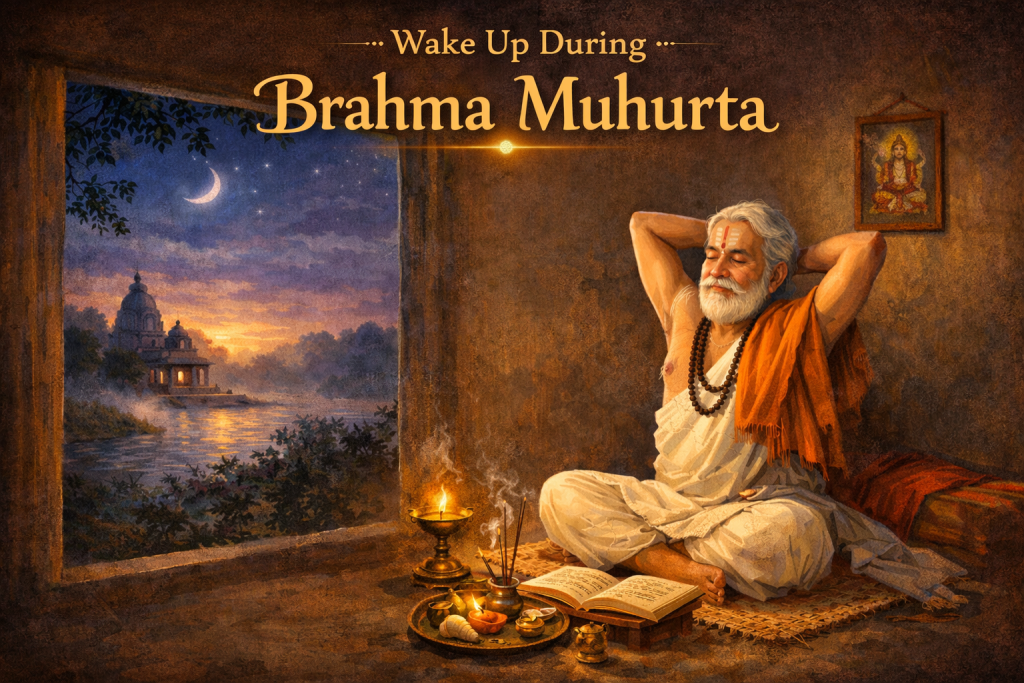
The foundation of any powerful puja begins with waking up during Brahma Muhurta, the sacred time between approximately 4:00 AM and 6:00 AM. According to Vedic wisdom, this period carries the purest and most balanced energy of the day. The mind is naturally calm, distractions are minimal, and spiritual practices yield deeper results. Starting the new year by rising early establishes discipline, clarity, and a devotional mindset. It signals your readiness to welcome positive transformation and divine guidance into your life and home.
Highlights:
- Ideal time for spiritual practices
- Enhances focus and mental clarity
- Aligns the body with cosmic rhythms
- Sets a disciplined tone for the year
Read Also:-
Vastu Shanti Pooja: Inviting Harmony, Prosperity & Positive Energy into Your Home
Step 2: Ritual Bath and Personal Purification
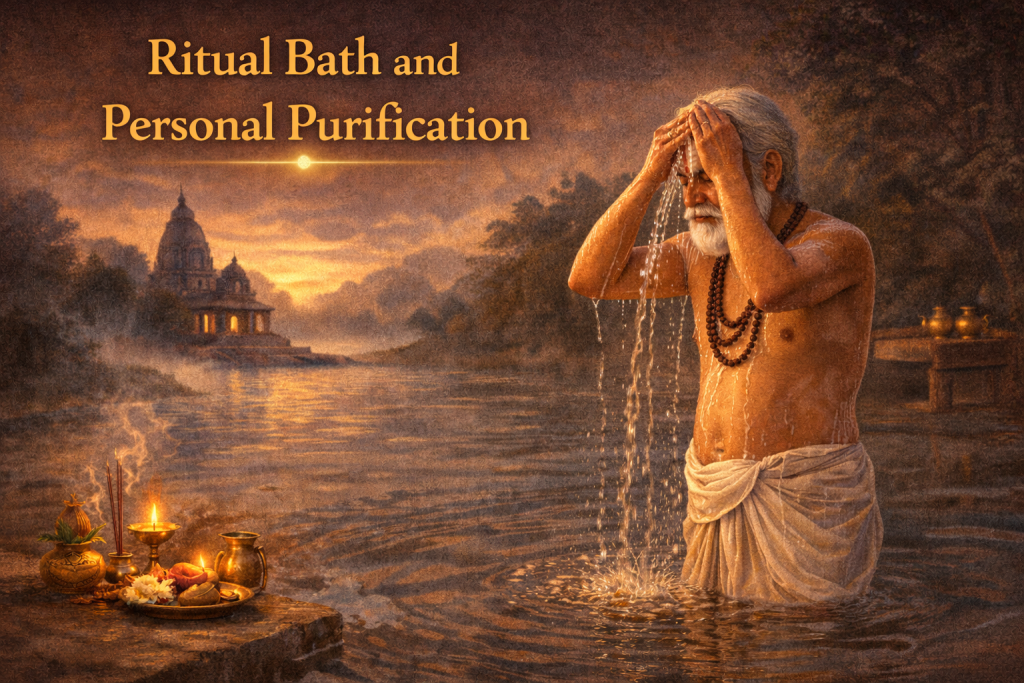
Before beginning the puja, taking a bath is essential for both physical and energetic cleansing. Water is considered a powerful purifier in Vedic tradition, washing away fatigue, negativity, and emotional heaviness from the past year. Bathing with awareness helps transition the mind from worldly thoughts to a sacred state. Wearing clean, modest clothing after the bath symbolizes readiness to approach the divine with respect, humility, and purity as you begin 2026.
Highlights:
- Symbolises cleansing of body and mind
- Releases stress and negative impressions
- Prepares the devotee for sacred worship
- Encourages inner stillness and focus
Step 3: Preparing and Cleaning the Pooja Space
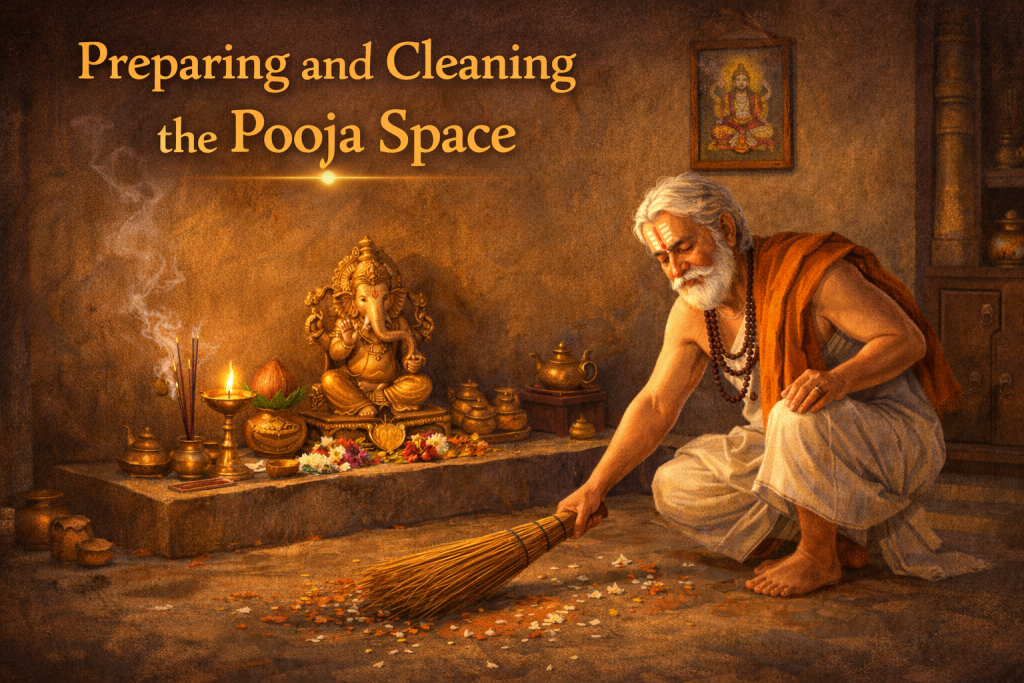
The pooja area represents the spiritual heart of the home and must be prepared with care. Cleaning the space removes stagnant energy and creates an atmosphere of calm and reverence. Arrange idols or images of deities neatly, ensuring the altar is uncluttered and balanced. When the space is orderly, the mind naturally becomes focused. A clean altar invites positive vibrations and allows divine energy to flow freely throughout the home.
Highlights:
- Removes negative and stagnant energy
- Creates a calm and sacred environment
- Enhances focus during the ritual
- Strengthens the spiritual atmosphere of the home
Step 4: Lighting the Diya (Sacred Lamp)
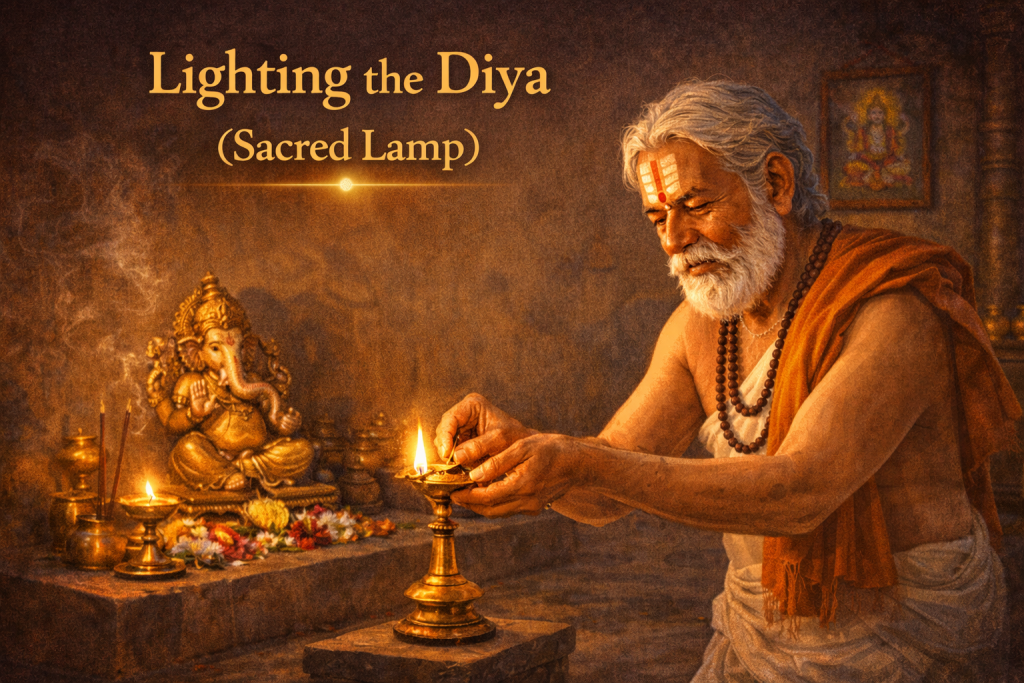
Lighting the diya is one of the most meaningful moments of the puja. The flame represents divine knowledge, awareness, and the removal of ignorance. As the lamp is lit, it is believed that higher energies are invoked into the home. Using ghee or oil enhances the sattvic quality of the ritual. Beginning 2026 by lighting a diya signifies choosing clarity, hope, and spiritual illumination for the year ahead.
Highlights:
- Symbol of light overcoming darkness
- Invites divine presence into the home
- Purifies the surrounding environment
- Creates a serene and uplifting atmosphere
Step 5: Sankalpa – Setting Intentions for 2026
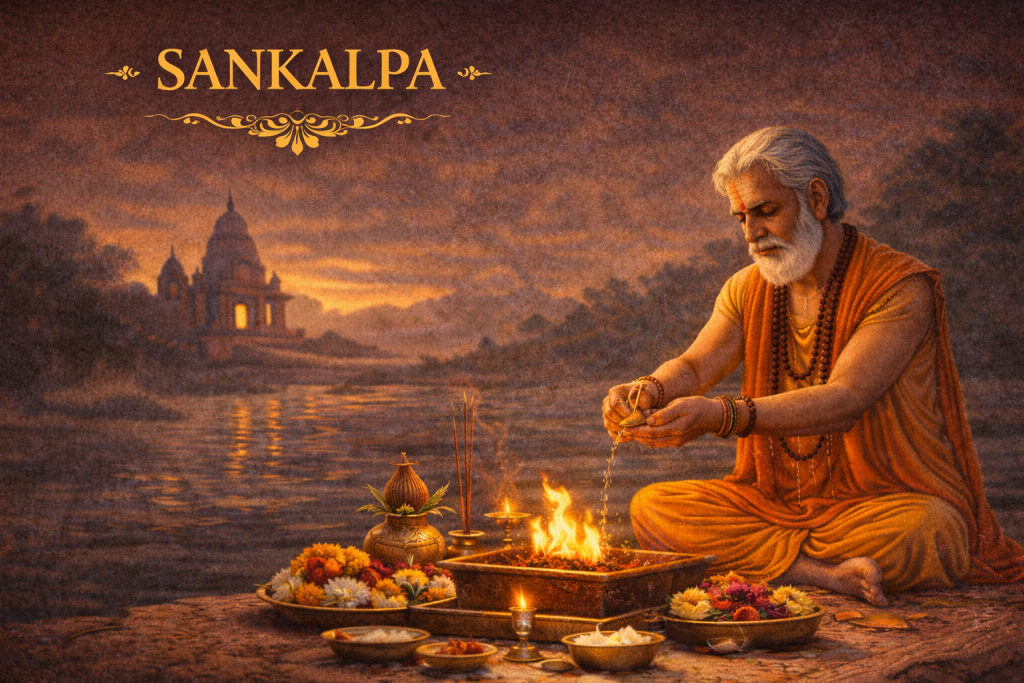
Sankalpa is the act of consciously setting intentions before beginning prayers. This step gives direction to the ritual and aligns personal goals with divine will. By stating your intention for health, peace, wisdom, or prosperity, you channel the energy of the puja toward meaningful outcomes. Sankalpa transforms ritual into purpose-driven worship, making it especially powerful when performed at the beginning of a new year.
Highlights:
- Aligns personal goals with spiritual energy
- Gives clarity and purpose to the ritual
- Strengthens commitment and mindfulness
- Helps manifest positive intentions
Step 6: Offering Water to the Deity
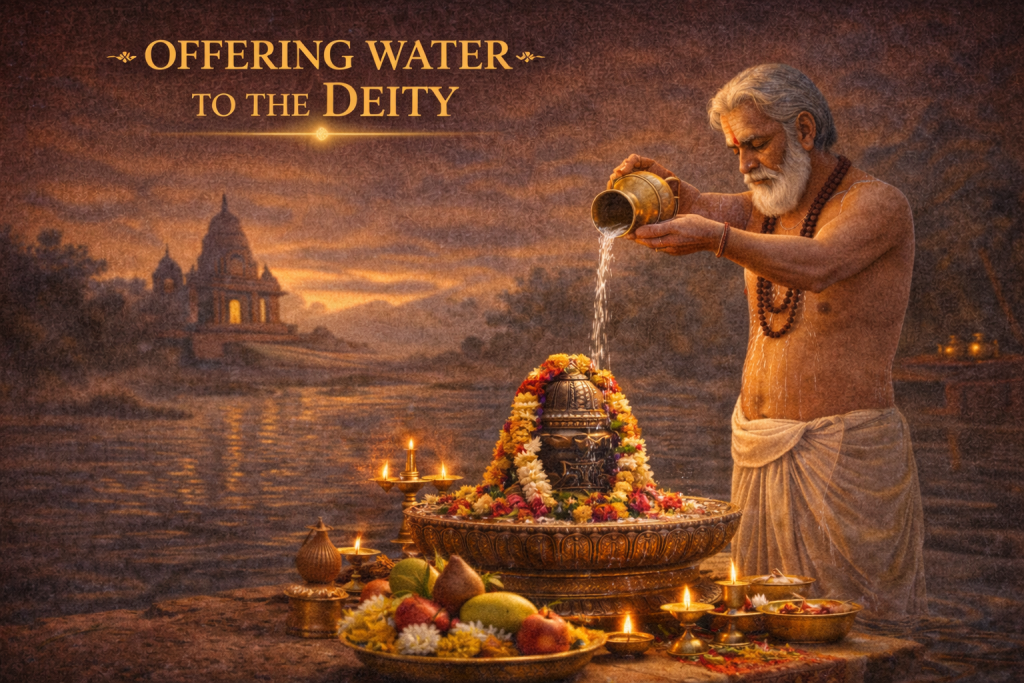
Water is considered sacred and life-giving in Vedic rituals. Offering water to the deity symbolizes humility, surrender, and emotional purification. This step helps calm the mind and open the heart to divine grace. It is believed that offering water with devotion removes mental restlessness and invites peace and protection into the home. The simplicity of this act carries deep spiritual significance.
Highlights:
- Symbol of purity and surrender
- Calms emotions and mental turbulence
- Invites peace and divine protection
- Enhances spiritual receptivity
Step 7: Chanting Vedic Mantras and Prayers
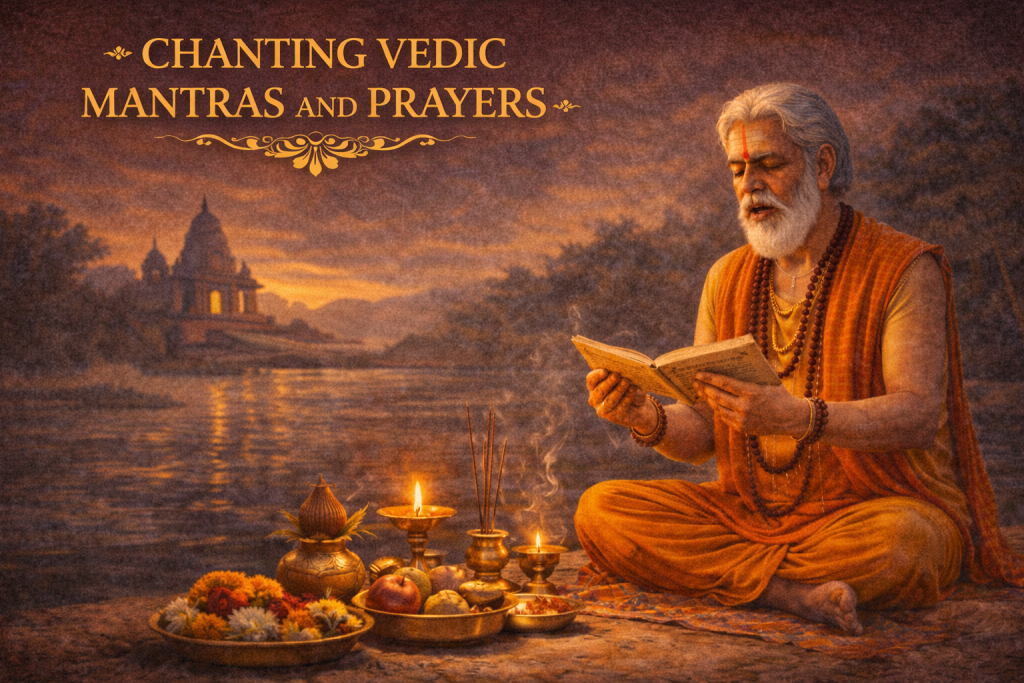
Mantra chanting is the core of traditional puja rituals. The rhythmic repetition of sacred sounds creates powerful vibrations that influence both the mind and the surrounding space. Chanting mantras such as Om Namo Bhagavate Vasudevaya helps focus awareness and dissolve negative thought patterns. Beginning 2026 with mantra chanting strengthens spiritual resolve and invites divine guidance throughout the year.
Highlights:
- Creates positive vibrational energy
- Improves concentration and inner calm
- Purifies the mind and surroundings
- Invokes divine blessings and protection
Step 8: Offering Tulsi Leaves and Flowers
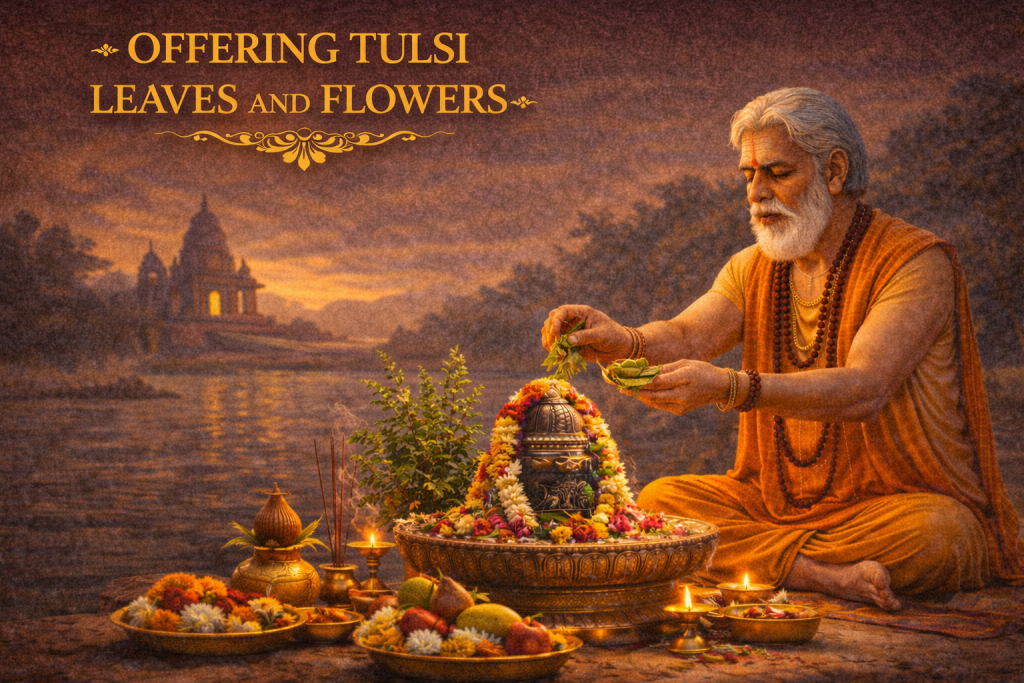
Tulsi and flowers are offered as symbols of devotion, love, and purity. Tulsi is especially sacred and dear to Lord Vishnu, representing surrender and spiritual dedication. Offering fresh flowers reflects gratitude and reverence. This step connects the devotee with nature and expresses devotion through beauty and simplicity. The act fosters humility and deepens the emotional bond with the divine.
Highlights:
- Symbolises love and surrender
- Strengthens devotion and humility
- Connects worship with natural elements
- Enhances spiritual purity
Step 9: Naivedyam – Offering Food to the Divine
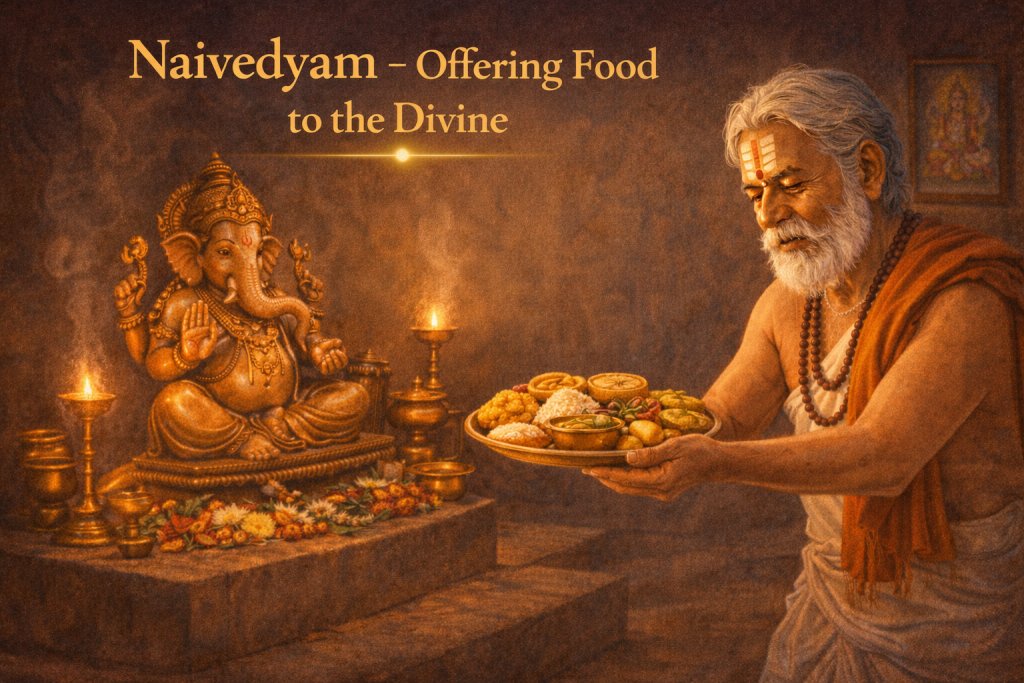
Naivedyam involves offering simple, sattvic food prepared with care and devotion. This act represents gratitude and acknowledgement that all abundance comes from the divine. Offering food before eating cultivates humility and detachment. The food becomes prasadam, believed to carry divine energy. Consuming prasadam nourishes not just the body but also the soul, reinforcing a sacred start to the year.
Highlights:
- Symbol of gratitude and abundance
- Encourages humility and selflessness
- Transforms food into sacred prasadam
- Invites prosperity and well-being
Step 10: Performing the Arati
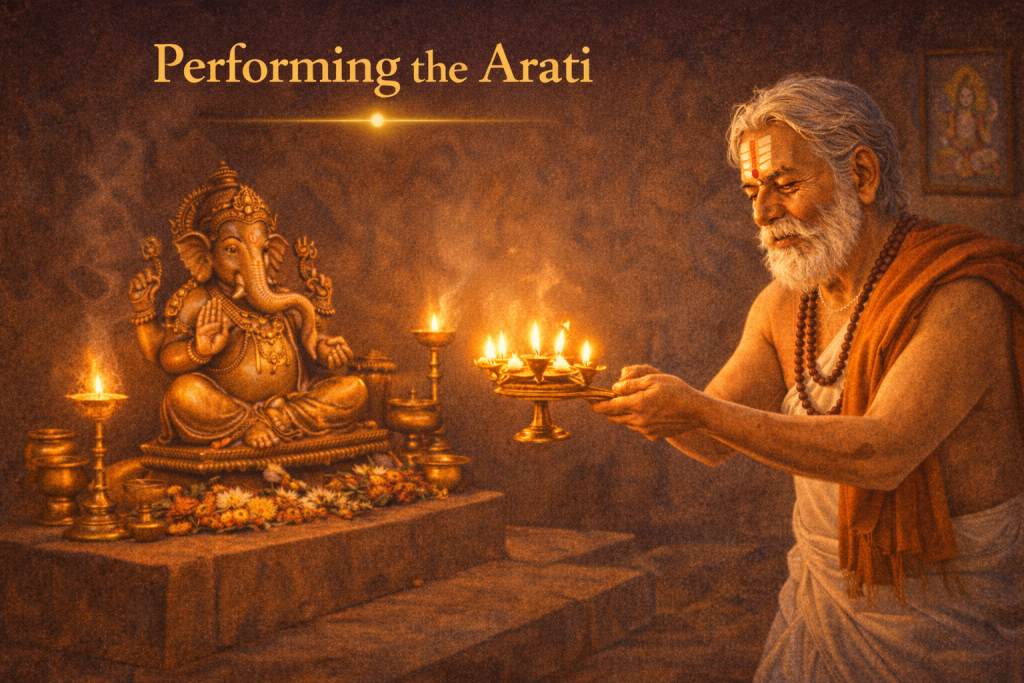
Arati is a devotional offering of light accompanied by prayer or song. Waving the lamp in a circular motion symbolizes wholeness, harmony, and completion. This step marks the emotional peak of the ritual, allowing devotees to express gratitude and surrender. The warmth of the flame and rhythm of the chant create a powerful spiritual atmosphere, sealing the puja with devotion.
Highlights:
- Expresses gratitude and reverence
- Symbolizes harmony and completeness
- Strengthens emotional connection to the divine
- Elevates spiritual energy in the home
Step 11: Distribution of Prasadam
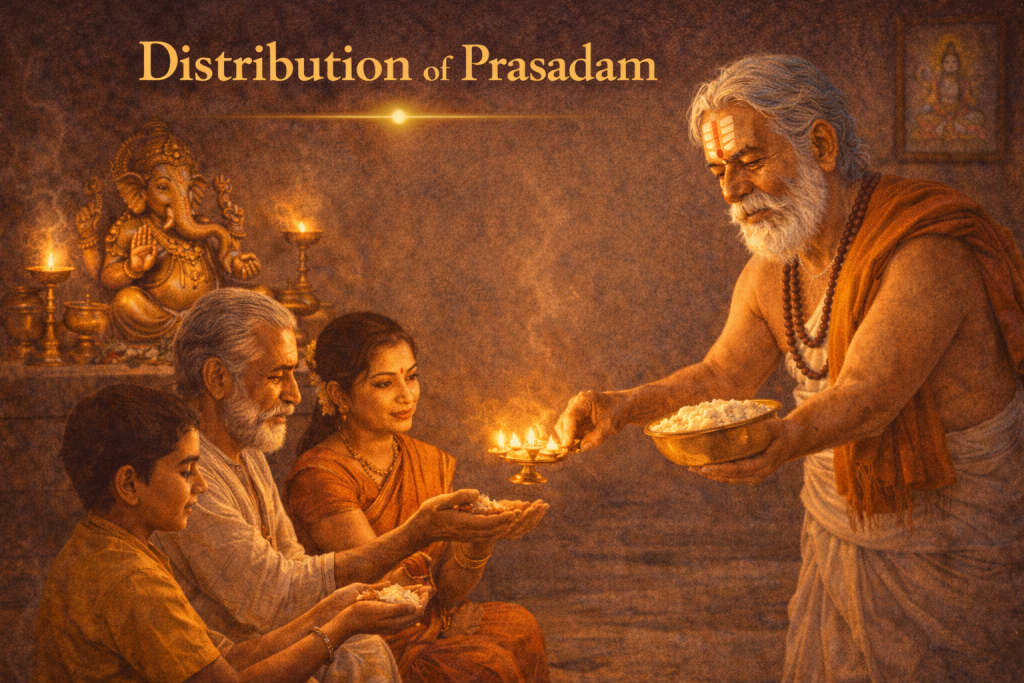
After the puja, the offered food is shared as prasadam among family members. Sharing prasadam reinforces unity, humility, and gratitude. It is believed that prasadam carries divine blessings and purifies intentions. Beginning the year by receiving and sharing prasadam fosters emotional harmony and reminds everyone that spiritual growth is a shared journey within the household.
Highlights:
- Strengthens family bonds
- Represents divine blessings
- Encourages humility and gratitude
- Promotes emotional harmony
Step 12: Concluding with Peace Mantras
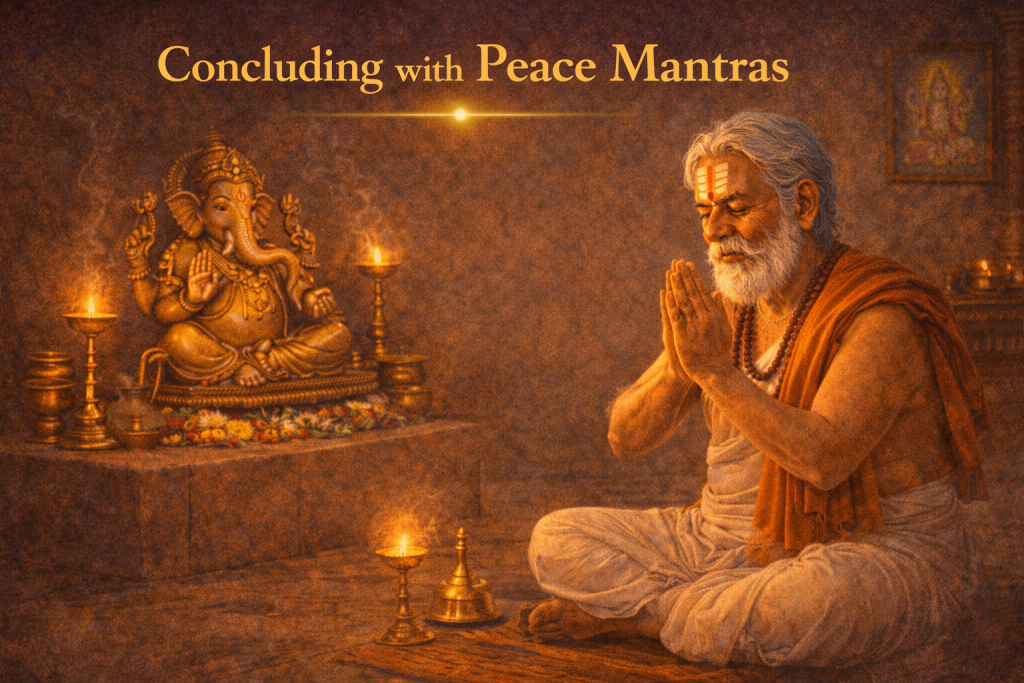
The final step of the puja is offering peace prayers for oneself, the family, and the world. Chanting mantras such as Om Shanti Shanti Shanti extends the benefits of the ritual beyond the home. This step reinforces compassion, balance, and universal well-being. Ending the ritual with peace prayers ensures that the energy generated during puja flows gently into daily life throughout 2026.
Highlights:
- Invokes peace and harmony
- Extends blessings to all beings
- Creates emotional and mental balance
- Completes the ritual with grace and calm
Conclusion: Let Devotion Lead the Way in 2026
Beginning 2026 with traditional puja rituals is not about perfection—it is about presence. When rituals are performed with sincerity, they reshape thought patterns, uplift the home, and guide the year with divine support.
In a world filled with uncertainty, devotion offers grounding. Let your home become a sanctuary. Let your mornings become sacred. Let 2026 unfold with grace, clarity, and divine guidance.